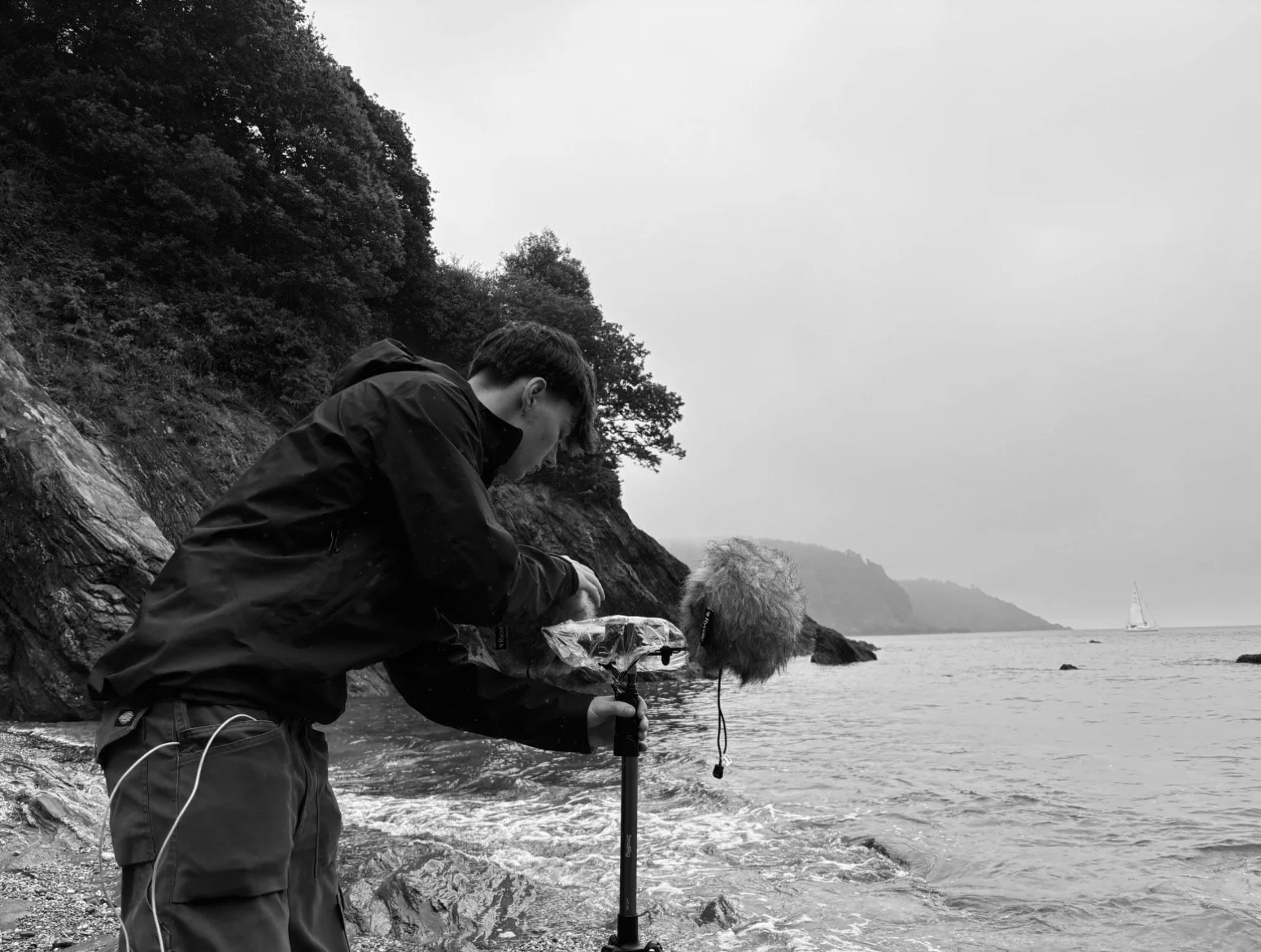
The Rig
Field Recording Setup
Designing game audio from source material requires a recording setup that prioritises absolute transparency, an ultra-low noise floor, and high dynamic range. My mobile rig is split into two distinct capture configurations: an omnidirectional spaced pair for immersive environmental ambiences, and a precision shotgun microphone for isolated point-source foliage and sound design. This hardware configuration utilises a 32-bit float architecture to preserve the entire dynamic range of a recording environment, eliminating the risk of digital clipping while maintaining a clean signal path free of hardware-induced self-noise.
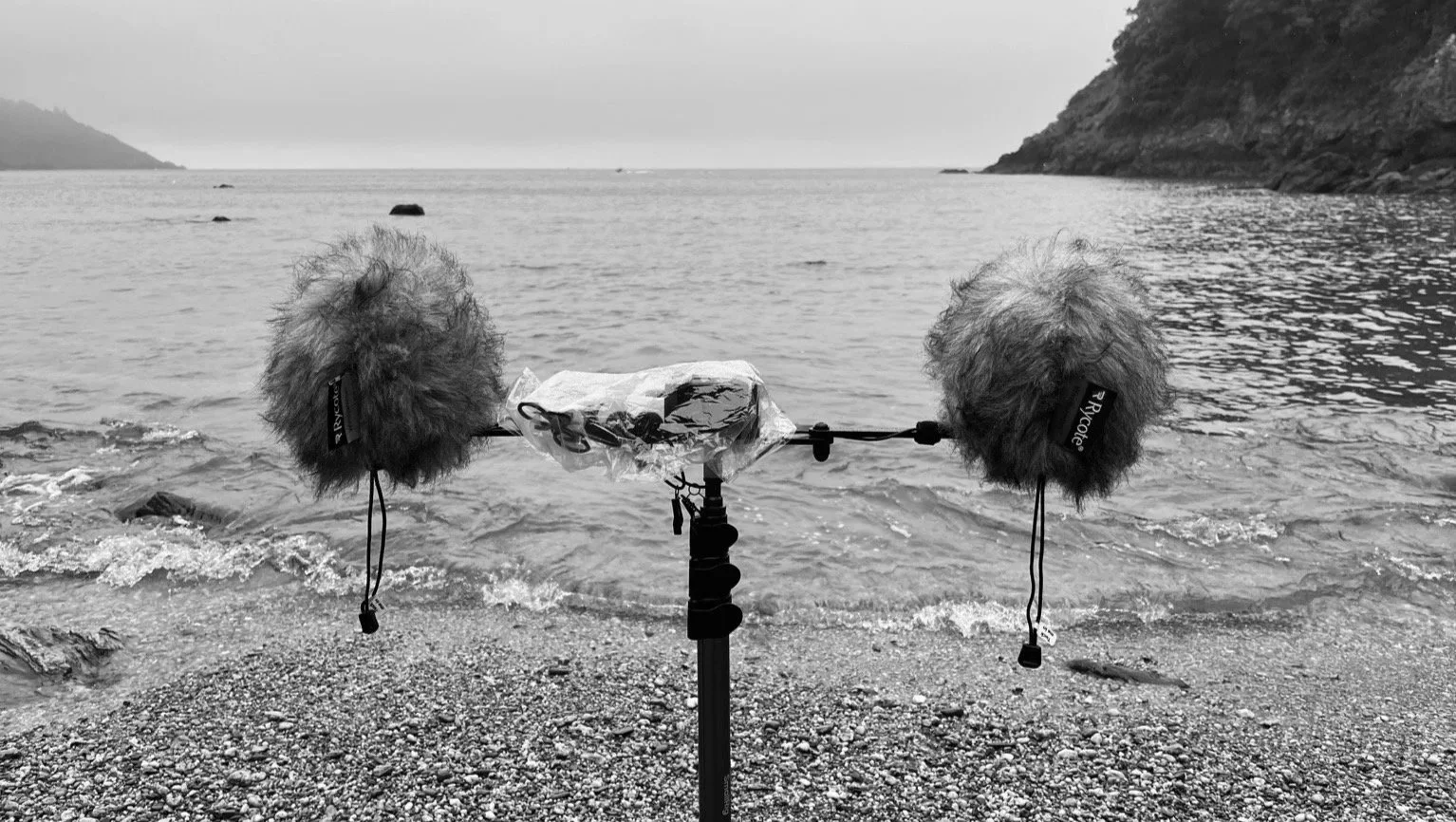
A-B Stereo Array Spaced Pair
This configuration pairs a matched stereo set of Clippy EM272Z1 omnidirectional microphones with a Zoom F3 field recorder. By physically spacing the parallel capsules apart, this setup captures sound uniformly from all directions rather than cutting out the surrounding environment, resulting in an incredibly wide, realistic, and natural stereo image.
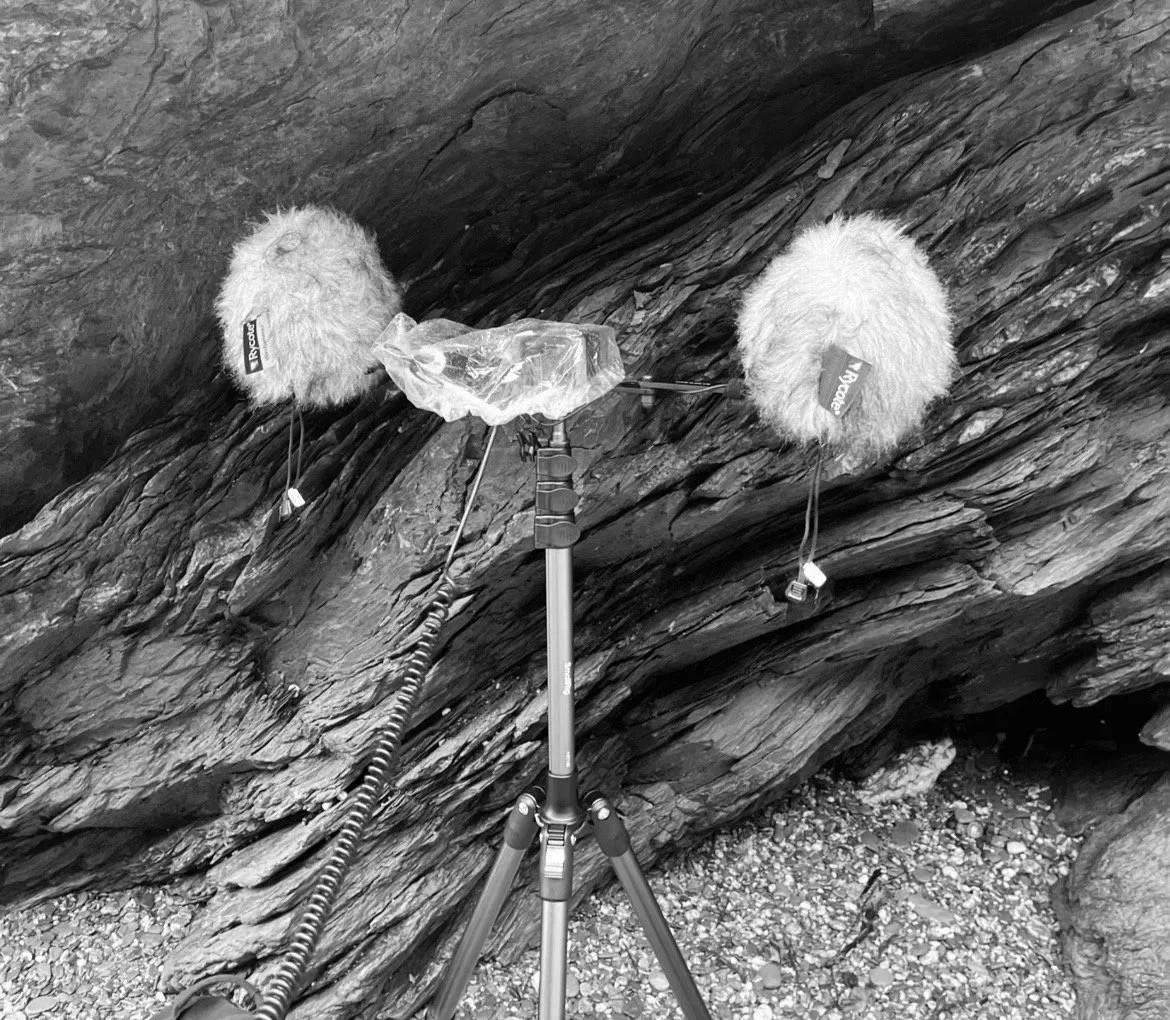
Why I Use This Setup for Game Audio
Immersive Spatial Depth: Because the microphones are physically separated, they capture microscopic time delays as sound moves across the environment. The human brain decodes this exactly like real-life hearing, creating a deeply convincing sense of space.
Ultra-Low Noise Floor: The Clippy EM272Z1 capsules feature an exceptionally low self-noise specification. When tracking extremely quiet natural ambiences—like wind through trees or silent rooms, this ensures a completely transparent capture free of background hiss.
Clipping-Free 32-Bit Float Dynamic Range: Running these capsules directly into the Zoom F3 allows me to record in 32-bit float. This eliminates the need to set traditional input gains, ensuring that sudden, loud transient sounds are captured perfectly without digital distortion, while still preserving delicate background details.
Rich Low-End: Omnidirectional mics capture deep low-frequencies much better than standard directional mics. This provides the rich, grounded sub-bass required to build believable ambient beds for all types of game environments.
Wind Protection
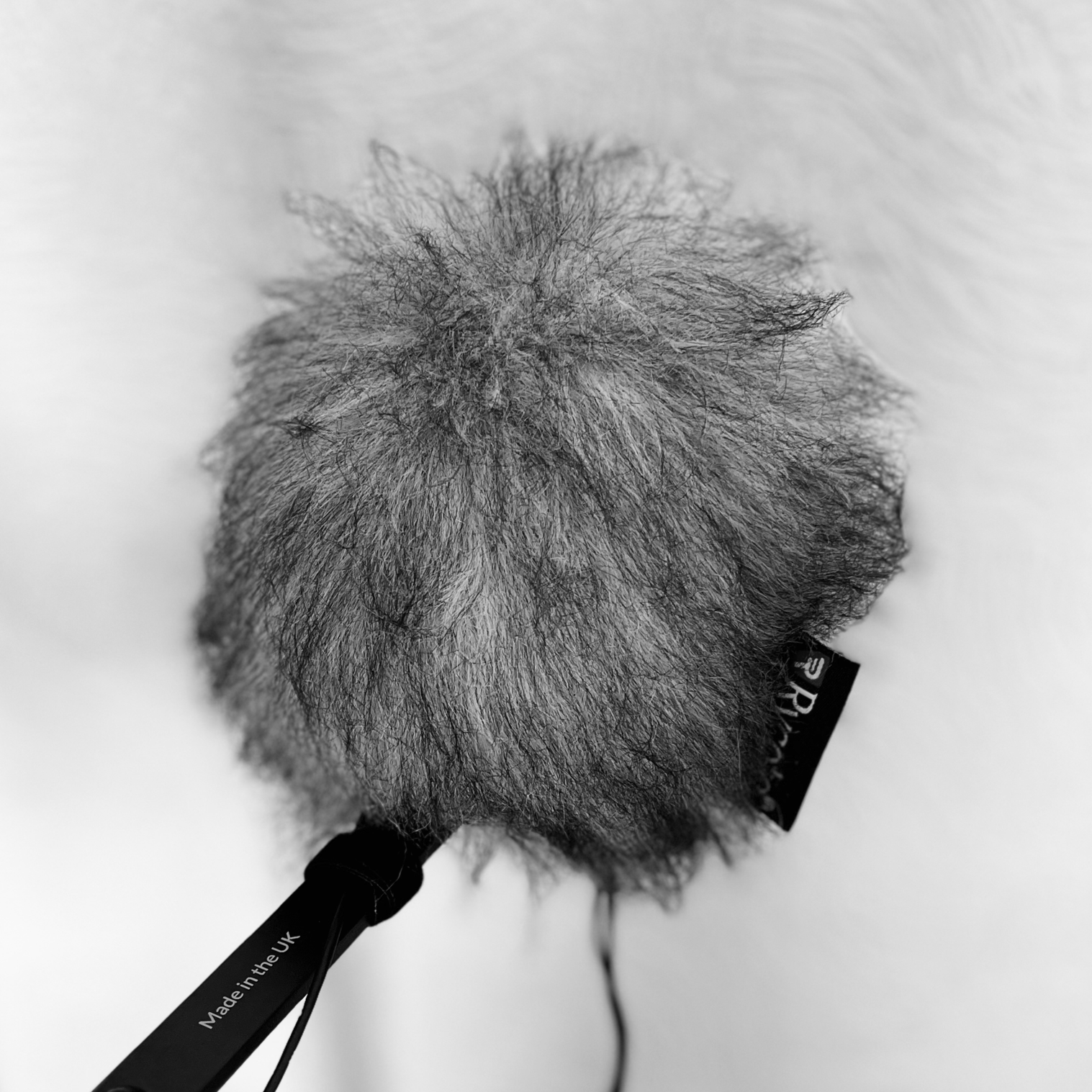
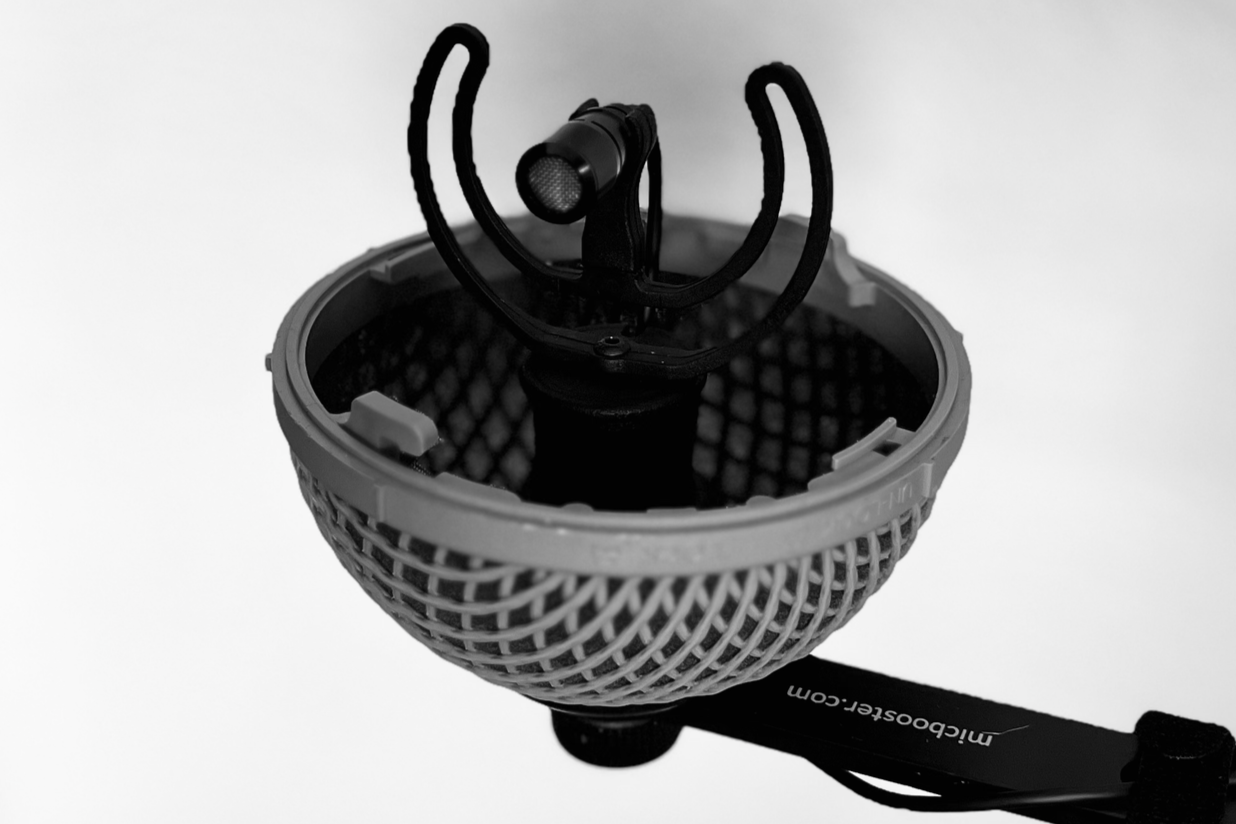
High-fidelity field recording requires keeping moving air from hitting the microphone capsule without muffling high frequencies or distorting the recording. To achieve this out in the wild, I utilise a dual-layer wind protection system consisting of Rycote Baby Ball Gags (BBGs) paired with matching high-density Windjammers (Deadcats).
How Does This Work?
Aerodynamic Isolation (Rycote BBGs): Creates a protective cage of still air around the capsule, preventing wind velocity from striking the diaphragm and causing low-frequency rumble.
Acoustic Transparency (Windjammers): These attenuate harsh outdoor wind noise while preserving crisp high-frequency details, keeping the captured audio clear and natural while adding that final critical layer or protection.
Rode NTG-5 Shotgun
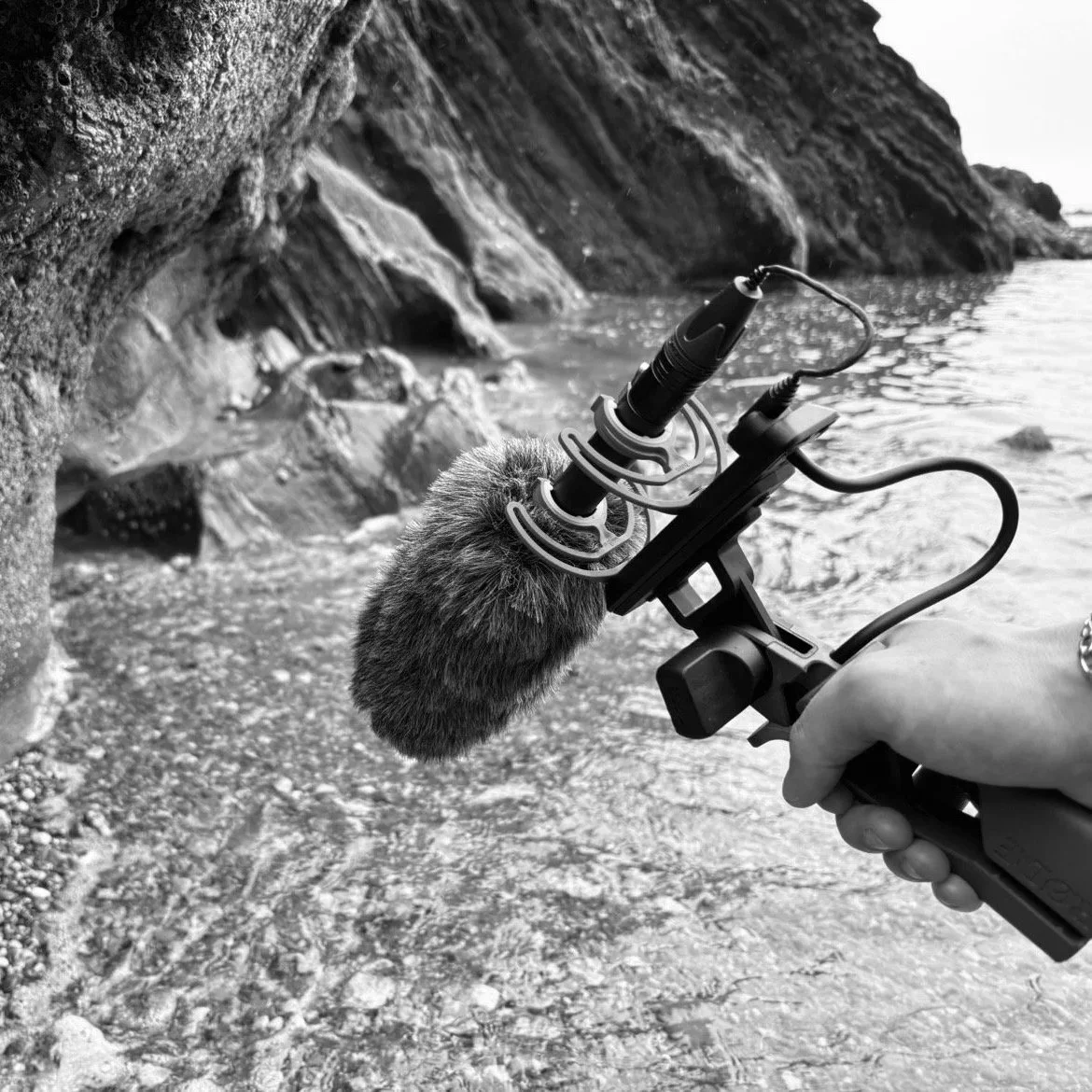
For targeted sound design and isolated foley, I utilise a Rode NTG5 short shotgun microphone running into the Zoom F3. Unlike omnidirectional mics that capture the entire space, the NTG5 is highly directional, designed to isolate specific sound sources while rejecting noise from the sides and rear.
I chose the NTG5 primarily for its RF-bias circuitry and unique acoustic design, both of which are critical for reliable field work. The RF-bias technology makes the microphone highly resistant to moisture and condensation, ensuring it performs flawlessly without sputtering or cutting out during damp outdoor sessions. Additionally, instead of using standard linear slots, it utilises circular acoustic ports along the barrel to deliver a completely natural, uncoloured off-axis response. This ensures that any environmental spill outside of my direct line of capture still sounds incredibly clean and realistic.
Audio Samples: Raw Field Captures
Listen to unedited, real-world recordings demonstrating the low noise floor and spatial depth of the A/B spaced pair setup